In an age where screens are an undeniable part of childhood, the question for many parents isn't if their children will engage with digital content, but how that engagement can be enriching. Enter Educational Disney Junior Games – a vibrant, interactive world where beloved characters become enthusiastic teachers, transforming screen time from a passive activity into an active learning adventure. These aren't just distractions; they are carefully crafted experiences designed to nurture young minds, teaching everything from basic math and literacy to social-emotional skills, all within the safe and trusted embrace of Disney Junior.
But with so many options available, how do you navigate this playful universe to find the most impactful experiences for your little learner? This comprehensive guide will equip you with everything you need to know, from the educational benefits and popular titles to platform choices and crucial safety considerations, ensuring your child’s digital play is both fun and formative.
At a Glance: Key Takeaways for Busy Parents
- Learning Through Play: Disney Junior games integrate core educational objectives (letters, numbers, shapes, problem-solving) with captivating stories and characters.
- Trusted & Safe: Backed by Disney's reputation for quality, these games prioritize child safety, age-appropriateness, and often include robust parental controls.
- Variety of Skills: From critical thinking in "Mickey's Mystery" to empathy in "Doc McStuffins," a wide range of cognitive and social skills are targeted.
- Platform Flexibility: Available across mobile apps (like Disney Junior Play) and consoles (e.g., Bluey: The Videogame), offering options for various family preferences.
- Parental Empowerment: Tools for managing screen time, content, and profiles help parents ensure balanced, meaningful engagement.
- Beyond Entertainment: These games foster creativity, curiosity, and a love for learning, making screen time a valuable part of a child's development.
Beyond the Binge: Why Educational Disney Junior Games Matter for Growing Minds
For millions of households, Disney Junior isn't just a channel; it's a cornerstone of early childhood. Its characters – Mickey, Doc McStuffins, Bluey, and more – are familiar friends who bring joy and comfort. When these characters step from the screen into interactive games, they carry that familiarity and trust, creating an incredibly potent learning environment.
Disney Junior games are specifically designed for preschool and early school-age children, typically aged 3-7. They are non-violent, simple to control, and provide a secure digital playground where creativity blossoms and basic skills take root. Think puzzles that teach geometry, songs that introduce rhythm, and coloring activities that enhance fine motor skills. It’s a dynamic blend of colorful animation, engaging storylines, and age-appropriate challenges that captivate young attention spans without overwhelming them.
What truly sets these games apart is the Disney brand's unwavering commitment to quality. Parents and educators trust Disney not just for entertainment, but for content that upholds high standards of child safety, offers practical parental controls, and minimizes (or eliminates) in-game purchases. This transforms screen time into genuinely meaningful learning opportunities, aligning digital play with developmental milestones. It’s an investment in your child's cognitive and social growth, disguised as pure fun.
Unlocking Learning: The Educational Powerhouse Games
While all Disney Junior games offer some form of engagement, several titles stand out for their explicit educational focus, meticulously integrating learning objectives into their gameplay. These aren't merely entertaining; they are carefully constructed experiences designed to build foundational skills crucial for school readiness and beyond.
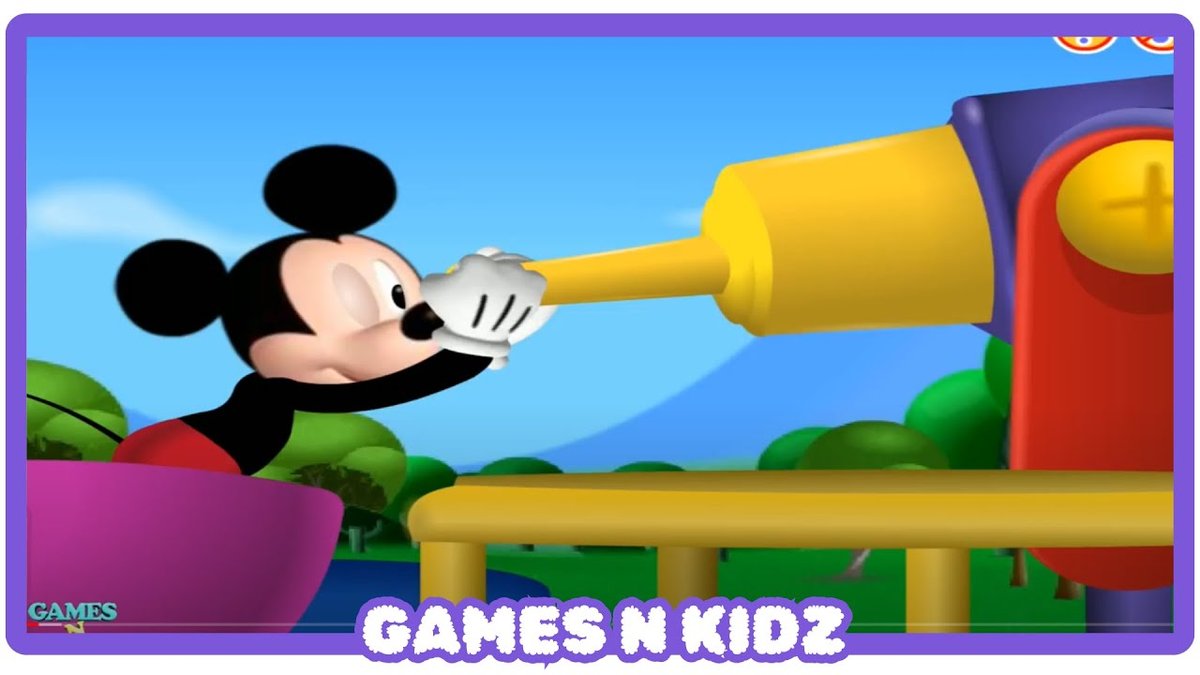
Mickey Mouse Clubhouse: Mickey’s Mystery – Problem-Solving in High Gear
Step into the "Mickey Mouse Clubhouse: Mickey’s Mystery," and you're immediately immersed in a world brimming with intriguing challenges. This game is a masterclass in encouraging problem-solving and critical thinking. Children follow Mickey and his friends as they unravel playful mysteries, often requiring them to:
- Identify Patterns: Spotting sequences and understanding cause-and-effect relationships.
- Basic Math Concepts: Counting objects, simple addition, and number recognition woven into tasks.
- Letter Recognition: Matching letters, spelling out short words, or identifying initial sounds to unlock clues.
- Logical Reasoning: Putting pieces together to solve a puzzle, making deductions based on visual cues.
Each mystery is a carefully constructed scenario that empowers children to think independently, experiment with solutions, and experience the satisfaction of a "mystery solved!" It’s active learning where trial-and-error are celebrated, not penalized.
Doc McStuffins: The Doc Is In – Nurturing Empathy and Health Awareness
"The Doc Is In" with Doc McStuffins isn't just about fun; it’s about fostering empathy, care, and basic health literacy. In this game, children become honorary toy doctors, learning to diagnose and treat various toy ailments. This interactive experience teaches invaluable lessons such as:
- Caring for Others: Understanding the importance of kindness, compassion, and helping those in need.
- Basic Medical Knowledge: Simple concepts like why we need bandages, how to use a stethoscope (playfully, of course), and the importance of healthy habits.
- Body Parts Identification: Learning names of different body parts as they examine their "patients."
- Health Concepts: Grasping ideas about hygiene, nutrition, and what makes us feel better when we're "sick."
Through Doc McStuffins, children develop a sense of responsibility and learn gentle ways to interact with others, all while exploring fundamental biological concepts in an age-appropriate context. It's a testament to how digital play can cultivate social-emotional intelligence alongside cognitive skills.
Disney Junior Play: A Skill-Building Wonderland for Toddlers and Preschoolers
For younger children, the Disney Junior Play app stands as a veritable hub of fundamental skill development. This flagship app is an ever-evolving collection of mini-games designed specifically for toddlers and preschoolers. Its genius lies in its simplicity and variety, focusing on core concepts like:
- Shape Recognition: Matching shapes, identifying geometric forms in everyday objects.
- Color Sorting: Categorizing items by color, enhancing visual discrimination.
- Basic Counting: Learning numbers, one-to-one correspondence, and early quantitative reasoning.
- Fine Motor Skills: Drag-and-drop actions, tapping, and tracing contribute to dexterity and hand-eye coordination.
The content within Disney Junior Play rotates regularly, keeping experiences fresh and engaging. This continuous introduction of new games, based on various Disney Junior shows and characters, ensures that children remain stimulated and continue to build upon their burgeoning skills without getting bored. It's a comprehensive approach to early learning, wrapped in the magic of their favorite stories and friends.
Together, these games and the broader Disney Junior portfolio illustrate a commitment to holistic child development, proving that learning can be an exhilarating, character-driven journey.
Adventure Awaits! Engaging Story-Driven Games
While the explicit "educational" titles focus on direct skill-building, Disney Junior also excels at crafting immersive adventure games that contribute significantly to a child's development through narrative, exploration, and creative problem-solving. These games often offer more expansive worlds and deeper storylines, fostering different but equally vital aspects of a child’s growth.
Bluey: The Videogame – Exploratory Play and Cooperative Fun
Fans of the beloved Blue Heeler family will rejoice in Bluey: The Videogame. This multi-platform title (available on Nintendo Switch, PlayStation, and Xbox) allows players to step directly into Bluey's vibrant world, mirroring the show's emphasis on imaginative play and family interaction. Here, children engage in:
- Exploration: Roaming through familiar locations from the show, encouraging curiosity and discovery.
- Mini-Games: Participating in activities directly inspired by Bluey's imaginative games, promoting quick thinking and reaction time.
- Puzzle-Solving: Navigating simple challenges that require observation and logical deduction.
- Cooperative Elements: Many activities are designed for co-play, encouraging communication, teamwork, and shared problem-solving among family members.
With enhanced graphics on console platforms, Bluey: The Videogame provides a truly immersive experience that celebrates the joy of creative play, reinforcing the values of family, friendship, and imagination that make the show so popular. It's a fantastic example of how adventure can be a conduit for learning and bonding.
Moana: Oceania Adventure – Rhythm, Exploration, and Cultural Richness
Inspired by the epic tale of Moana, the Moana: Oceania Adventure game takes children on an interactive journey across the vast ocean. This game masterfully blends exploration with rhythm-based challenges and puzzle-solving, offering:
- Cultural Exploration: Exposure to Polynesian culture, music, and mythology in an engaging, child-friendly format.
- Rhythm and Timing: Challenges that require players to match beats and synchronize actions, enhancing auditory processing and motor coordination.
- Environmental Awareness: Themes often touch upon nature, animals, and respecting the ocean, subtly introducing ecological concepts.
- Problem-Solving: Navigating obstacles and solving puzzles to progress through Moana's journey, developing critical thinking.
The game encourages children to embrace adventure and resilience, much like Moana herself, while engaging their senses and expanding their understanding of different cultures.
Encanto: The Madrigal Miracles – Magic, Mystery, and Family Bonds
The magic of the Madrigal family comes alive in Encanto: The Madrigal Miracles, an interactive experience that invites players into the enchanted casita. This game is rich with:
- Discovery of Magical Powers: Players help family members harness their unique gifts, fostering an understanding of different strengths and talents.
- Mystery Solving: Simple narratives require children to piece together clues and solve puzzles within the magical house, boosting observational skills.
- Music and Family Themes: The game is infused with the film's vibrant music and reinforces themes of family, community, and self-acceptance.
- Social-Emotional Learning: Through helping the Madrigals, children implicitly learn about supporting others, understanding emotions, and working together.
"Encanto: The Madrigal Miracles" provides a warm, engaging environment for children to explore narrative, celebrate differences, and experience the power of family love, all while enjoying captivating gameplay.
These adventure games, while not always explicitly labeled "educational," provide rich environments for children to develop narrative comprehension, foster creativity, improve motor skills, and learn important social and emotional lessons through immersive storytelling. They demonstrate that learning isn't confined to flashcards; it can be an exhilarating quest.
Choosing Your Platform: Mobile Apps vs. Console Experiences
When diving into the world of Educational Disney Junior Games, parents have a key decision to make: mobile apps or console games? Each platform offers distinct advantages, catering to different play styles, learning objectives, and family dynamics. Understanding these differences can help you make the best choice for your child and your household.
Mobile Apps for On-the-Go Learning
Mobile apps are often the first entry point into digital play for many families due to their accessibility and portability. Disney Junior offers a robust portfolio of apps for iOS and Android devices, perfect for engaging children during travel, waiting times, or quiet moments at home.
- Disney Junior Play: The Flagship Experience
The Disney Junior Play app is the cornerstone of their mobile offering. It's a subscription-based service providing hundreds of games, videos, and interactive experiences, constantly updated with new content. Its strength lies in its comprehensive approach to early learning, covering fundamental skills like shape recognition, color sorting, and basic counting through beloved characters.
Parents particularly appreciate its robust parental controls, which allow for: - Time Limits: Set boundaries for how long children can play.
- Content Management: Curate what shows and games your child can access.
- Progress Tracking: Monitor your child's learning journey.
- Multiple Child Profiles: Customize experiences and track progress for each child individually.
Many games within the app also offer offline play options, making it ideal for travel when internet access might be spotty. - Standalone Apps for Targeted Learning:
Beyond the comprehensive Disney Junior Play app, several standalone apps offer more focused learning experiences: - Mickey Mouse Clubhouse: Detective Mickey: This app centers on puzzle-solving mysteries, sharpening critical thinking and logical reasoning skills in a dedicated environment.
- Doc McStuffins Hospital app: Transforms kids into veterinary doctors, expanding on the show's themes of care and basic health concepts with a specific focus.
- Toddler Counting Games by Disney: As its name suggests, this app hones in on numerical concepts, number recognition, counting, and basic arithmetic, perfect for building early math foundations.
Mobile apps offer unparalleled convenience, making them excellent tools for short bursts of focused, educational play. They're usually touch-screen friendly, intuitive for little fingers, and can provide personalized learning paths.
Console Games: Immersive & Collaborative Play
For families seeking a more immersive or shared gaming experience, console options provide a fantastic alternative. Titles like Bluey: The Videogame and Disney Junior: Play with Moana are available on platforms such as Nintendo Switch, PlayStation, and Xbox.
- Enhanced Graphics and Sound: Console games often boast superior visual fidelity and richer audio experiences, drawing children deeper into the game world.
- Shared Family Experiences: Many console games, especially titles like Bluey, emphasize co-op gameplay. This allows parents, siblings, or friends to play together, fostering communication, teamwork, and precious family bonding moments. Imagine solving a puzzle with your child, side-by-side, sharing laughs and discoveries.
- Deeper Engagement: The fixed nature of a console setup can lead to more focused play sessions without the constant notifications or distractions of a mobile device.
Making the Choice:
When deciding between mobile apps and console games, consider: - Portability vs. Immersion: Do you need something for on-the-go (mobile) or a dedicated, immersive experience at home (console)?
- Budget: Mobile apps often have subscription models or one-time purchases, while console games are typically higher-priced standalone purchases, though they offer more depth.
- Co-play Desires: If shared family gameplay is a priority, consoles often offer more robust co-op features.
- Child's Age and Preference: Very young children might find touchscreens more intuitive, while slightly older kids might enjoy the controller-based interactions of a console.
- Existing Equipment: Leverage the devices you already own.
Regardless of your choice, the key is to select games that align with your child’s developmental stage, interests, and your family's values, leveraging the strengths of each platform for maximum benefit. To further understand how these interactive platforms can support early learning, exploring the benefits of play-based learning might provide additional insights.
The Disney Difference: Why Parents Trust These Games
In a crowded digital landscape, where countless apps and games vie for children's attention, Disney Junior games consistently rise to the top of parents' preferred choices. This isn't just about brand recognition; it's about a multi-faceted commitment to quality, safety, and genuine educational value that sets them apart.
Trusted Brand Reputation
At its core, the reason parents turn to Disney Junior games is simple: trust. Disney has cultivated a century-long reputation for producing high-quality, family-friendly content. This legacy extends seamlessly to their digital offerings. Parents know that when they see the Disney Junior logo, they can expect content that is:
- Age-Appropriate: Designed with developmental milestones in mind, avoiding overwhelming concepts or scary themes.
- Non-Violent: Focusing on positive interactions, problem-solving, and imaginative play rather than conflict.
- High Production Value: Engaging animation, professional voice acting, and catchy music that keep children enchanted.
This built-in trust reduces the burden on parents to constantly vet new digital content, providing peace of mind.
Clear Educational Value
Beyond entertainment, Disney Junior games are intentionally crafted with learning objectives. They aren't just disguised lessons; they are explicitly designed to integrate educational goals into gameplay. As seen with titles like "Mickey's Mystery" or the Disney Junior Play app, these games aim to develop:
- Cognitive Skills: Problem-solving, critical thinking, memory, sequencing, logical reasoning.
- Academic Foundations: Letter and number recognition, basic math, shape and color identification.
- Social-Emotional Skills: Empathy, caring for others, teamwork, communication, understanding emotions.
- Fine Motor Skills: Hand-eye coordination through tapping, dragging, and tracing.
The educational value is not an afterthought; it's a core pillar of the Disney Junior gaming philosophy. For parents interested in maximizing the learning potential of digital tools, checking out resources on choosing educational apps for kids can be highly beneficial.
Character Familiarity = Instant Engagement
Children form strong bonds with their favorite Disney Junior characters. Seeing Mickey, Doc McStuffins, Bluey, or Moana pop up in a game immediately creates a sense of familiarity, comfort, and excitement. This instant connection leads to:
- Higher Engagement: Kids are more likely to jump into a game and stay focused when their beloved friends are guiding them.
- Reduced Learning Curve: Familiar characters often simplify understanding game mechanics or objectives.
- Emotional Investment: Children care about helping their favorite characters solve problems, which fuels their motivation to learn and persist.
This powerful emotional hook transforms potentially challenging learning tasks into enjoyable, character-driven adventures.
Robust Safety Features
In an increasingly digital world, child safety online is paramount. Disney Junior addresses this head-on with robust safety features that give parents control and confidence:
- Parental Controls: Many apps, especially Disney Junior Play, offer comprehensive controls for setting time limits, managing content access, and even tracking progress across multiple child profiles.
- Minimal In-App Purchases (IAP): Disney Junior games typically have very few or no in-app purchases within the core experience, preventing accidental spending and ensuring that all content is accessible without additional costs. When IAP exists, it's clearly labeled and often behind parental gates.
- Age-Appropriate Content: Every game is meticulously vetted to ensure it aligns with the developmental stage of its target audience.
- Often Offline Play Options: Many games can be downloaded and played without an internet connection, reducing data usage and limiting exposure to online threats during play. This is especially useful for maintaining a safe environment. Further information on understanding parental controls in gaming can provide a deeper dive into these features.
Family-Friendly Gameplay
Many Disney Junior games, particularly those on consoles, are designed to encourage co-play. This isn't just about kids playing side-by-side; it's about truly collaborative experiences that foster family bonding. Whether it's a parent and child exploring Bluey's world together or siblings solving a puzzle, these games create opportunities for:
- Shared Experiences: Creating memories through joint adventures.
- Communication: Encouraging talking, strategizing, and celebrating together.
- Mentorship: Older children or parents can guide younger players, reinforcing lessons.
This family-centric design elevates Disney Junior games beyond individual entertainment, making them tools for connection and shared growth. This dedication to a secure, educational, and engaging experience is what truly defines the Disney difference for parents.
Getting Started: A Step-by-Step Guide for Parents
Ready to introduce your child to the wonderful world of Educational Disney Junior Games? Here’s a practical guide to help you get started, whether you’re opting for mobile convenience or a more immersive console experience.
For Mobile Devices: Easy Access, Easy Management
Mobile apps are arguably the most straightforward way to jump into Disney Junior gaming.
- Download the Disney Junior Play App First: This is your best starting point for a wide range of educational content. Head to your device’s app store (Apple App Store or Google Play Store) and search for "Disney Junior Play."
- Utilize the Free Trial: Most subscription apps, including Disney Junior Play, offer a free trial period. This is an excellent opportunity to let your child explore the content and see which games resonate most.
- Configure Parental Controls Immediately: Once downloaded, dive into the app's settings. This is where you can set time limits, manage content access, and create individual child profiles. Take advantage of these features to tailor the experience to your family's needs and ensure a balanced approach to screen time. These controls are crucial for managing children's digital engagement effectively.
- Explore Standalone Apps: If your child develops a particular interest in a specific character or skill (e.g., counting, detective work), search for standalone apps like "Mickey Mouse Clubhouse: Detective Mickey" or "Toddler Counting Games by Disney." These can offer deeper dives into specific learning areas.
For Console Gaming: Immersive Adventures Await
Console games often provide a more robust and shared experience.
- Check Digital Storefronts and Retailers: If you own a Nintendo Switch, PlayStation, or Xbox, visit their respective digital stores (e.g., Nintendo eShop, PlayStation Store, Xbox Games Store) or check physical retailers for titles like "Bluey: The Videogame" or "Disney Junior: Play with Moana."
- Read Reviews and Watch Gameplay Videos: Before purchasing, spend a few minutes reading reviews from other parents and watching short gameplay videos. This gives you a realistic preview of the game's mechanics, content, and overall suitability for your child.
- Look for Free Demos: Some console games offer free demos. Download these to let your child try the game before committing to a purchase. It's a great way to gauge their interest and the game's educational value.
- Consider Co-op Play: Console games are often fantastic for family co-play. Look for titles that support two or more players, turning gaming into a collaborative and bonding activity.
The Golden Rule: Balancing Screen Time
No matter which platform or game you choose, remember that digital play is just one piece of the developmental puzzle. It’s crucial to integrate gaming with:
- Physical Play: Encourage running, jumping, and outdoor adventures.
- Outdoor Time: Connect with nature, explore parks, and engage in free play.
- Creative Activities: Art, music, building blocks, and imaginative role-play.
- Reading and Storytelling: Foster a love for books and narrative.
Moderation and balance are key. For children under six, it’s generally recommended to limit screen time, balancing it with a rich variety of other developmental activities. Understanding healthy screen time guidelines can help you establish appropriate boundaries for your family. Ultimately, the goal is to use educational Disney Junior games as a valuable tool, not as the sole source of entertainment or learning.
The journey into Educational Disney Junior Games is an exciting one, full of discovery and learning for your child. By taking these practical steps, you can ensure a safe, enriching, and joyful experience for the whole family. If you're looking for an immediate gateway to this world, don't hesitate to Play Disney Junior games and explore the magic for yourself.
Looking Ahead: The Future of Disney Junior Gaming
The landscape of children's digital entertainment is constantly evolving, and Disney Junior is at the forefront of this innovation. The future of their gaming portfolio promises even more sophisticated, immersive, and educationally aligned experiences for young learners.
Disney Junior plans to significantly expand its gaming portfolio with new titles based on upcoming shows and beloved characters. This ensures a fresh supply of engaging content that keeps pace with children's evolving interests and introduces them to new stories and lessons. Imagine new adventures with characters from yet-to-be-announced series, offering novel educational challenges.
Beyond new content, Disney Junior is set to invest in sophisticated technology to enhance the gaming experience. While not yet mainstream for preschoolers, concepts like virtual reality (VR) and augmented reality (AR) are on the horizon. These technologies could transform how children interact with their favorite characters, bringing them into their living rooms or allowing them to step into fully immersive digital worlds for even more profound learning and imaginative play.
A growing focus will also be placed on subscription-based services, similar to the successful Disney Junior Play app. This model allows for continuous content updates, ensures a ad-free and safe environment, and provides parents with consistent value and control. Expect more comprehensive ecosystems where games, videos, and interactive stories are bundled together, offering a seamless and ever-expanding learning universe.
Finally, Disney Junior is committed to educational partnerships. By collaborating with early childhood education experts and organizations, they aim to further align their games with established early learning standards. This ensures that the content is not only entertaining but also highly effective in supporting school readiness and holistic child development. This strategic approach will deepen the pedagogical value of their games, making them even more trusted resources for parents and educators alike.
The future of Educational Disney Junior Games is bright, promising a blend of innovation, quality, and an unwavering commitment to nurturing the next generation of learners through the magic of play.
Your Top Questions Answered: Disney Junior Games FAQ
We've covered a lot of ground, but you might still have some specific questions. Here are clear, concise answers to common parental inquiries about Educational Disney Junior Games.
How much do Disney Junior games cost?
Many Disney Junior games operate on a "freemium" model, offering free content with optional in-app purchases (IAP) for additional features or ad removal. The flagship Disney Junior Play app is subscription-based, offering hundreds of games and videos for a monthly or annual fee, typically with a free trial. Standalone games on mobile or console platforms are usually one-time purchases. Disney is generally transparent about costs, and IAPs are often behind parental gates.
What age range are Disney Junior games best for?
Disney Junior games are primarily designed for preschool and early school-age children, typically aged 3-7. Many apps and games offer adjustable difficulty settings, allowing content to scale from toddlers (2+) up to early elementary schoolers (7-8), ensuring age-appropriate challenges.
Do Disney Junior games support co-op play?
Yes, many Disney Junior games, especially those available on consoles like Bluey: The Videogame, are designed with co-op play in mind. This encourages shared family experiences, allowing children to play alongside parents, siblings, or friends, fostering teamwork and communication. Some mobile games also offer turn-based or collaborative activities.
Is an internet connection required to play these games?
Often, an internet connection is required for the initial download of an app or game, as well as for updates and to access subscription content within apps like Disney Junior Play. However, many games and downloaded content within the Disney Junior Play app can be played offline once installed, making them convenient for travel or areas with limited connectivity. Check individual game descriptions for specific offline play capabilities.
What are the recommendations for screen time with these games?
Experts recommend that children under 6 have limited screen time, balancing it with physical play, outdoor activities, creative arts, and social interaction. For specific guidelines, refer to organizations like the American Academy of Pediatrics. Disney Junior games are designed to be enriching, but moderation is key. Parental controls within apps like Disney Junior Play can help you manage and enforce time limits.
How safe are Disney Junior games for children?
Child safety is a top priority for Disney. Their games are prioritized for safety through:
- Age-appropriate content free from violence or inappropriate themes.
- Robust parental controls for managing time limits, content, and purchases.
- Minimal in-app purchases, often behind parental gates.
- Adherence to Disney's strict quality standards for content and privacy.
They aim to provide a secure and positive digital environment for children.
Where should I start if my child is new to Disney Junior games?
A great starting point is the Disney Junior Play app. It offers a broad selection of games and videos based on various characters, allowing your child to explore and discover their favorites. Alternatively, if your child already has a beloved Disney Junior character, look for a game featuring them, as familiarity can boost engagement immediately.
Can I create multiple profiles for different children in the apps?
Yes, many Disney Junior apps, particularly the Disney Junior Play app, support multiple child profiles. This feature allows each child to have their own customized content, track their individual progress, and maintain their own saved game states, making it easier to manage and personalize the experience for families with more than one young learner.
Beyond the Screen: Maximizing the Learning Experience
Educational Disney Junior Games offer a powerful avenue for engaging young minds, but their true potential is unlocked when you integrate them thoughtfully into your child's broader learning journey.
Don't just hand over the tablet and walk away. Engage with your child during gameplay. Ask questions like, "What do you think will happen next?" or "Why did Mickey need that shape?" This encourages critical thinking and helps connect the digital world to their understanding. Celebrate their successes and gently guide them through challenges, turning screen time into a shared educational experience.
Furthermore, connect the lessons from the games to real-world learning. If they played "Doc McStuffins," talk about healthy habits or what a doctor does in real life. If they excelled at counting in the Disney Junior Play app, practice counting real objects around the house. This bridge between digital and physical experiences reinforces concepts and makes learning tangible.
Finally, remember that these games are part of a larger, vibrant ecosystem. Explore the full world of Disney Junior. Watch the shows, read books featuring the characters, and encourage imaginative play where your child can invent their own stories and games. This holistic approach ensures that digital engagement enhances, rather than replaces, other crucial forms of learning and development.
By embracing Educational Disney Junior Games with intention and balance, you're not just providing entertainment; you're fostering a lifelong love of learning, one magical adventure at a time.