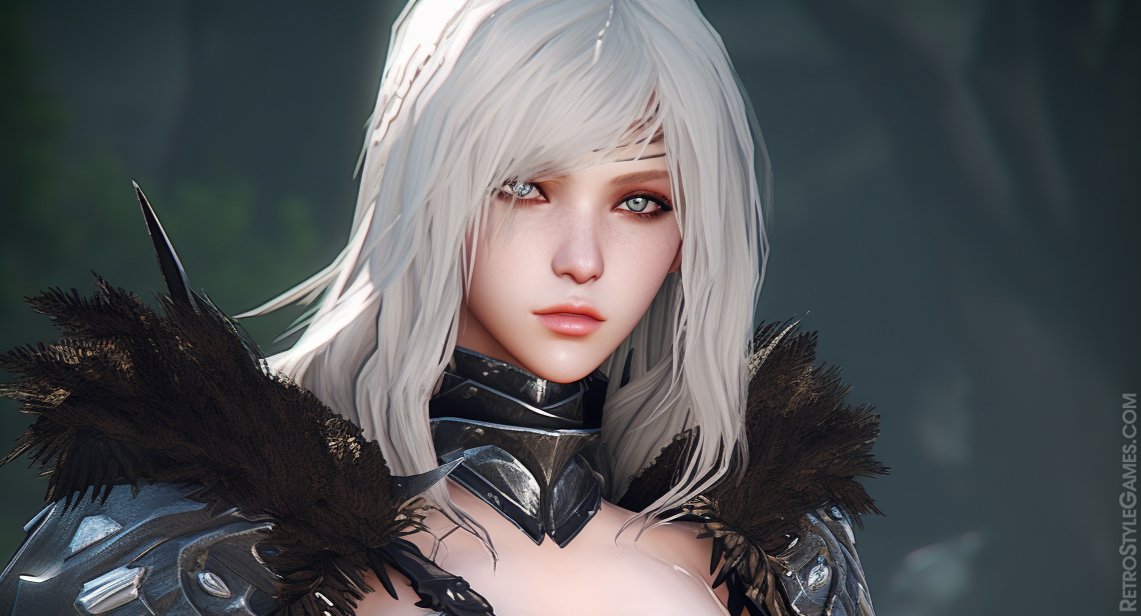
When you dive into a virtual world, what’s the first thing you do? For many, it's not starting the quest or battling the first monster; it's crafting an avatar that truly represents them—or their wildest fantasy. Character & Show-Specific Games have evolved beyond simple choices, now offering intricate systems that empower players with deep, meaningful customization. This isn't just about picking a hairstyle; it's about defining an identity, making your mark on a digital canvas, and forging a unique path in narratives built for interaction.
From epic RPGs where your hero's backstory shapes their destiny to fighting games where your unique brawler dominates the arena, the ability to personalize your experience is a cornerstone of modern gaming. It transforms a generic hero into your hero, a simple game into your story.
At a Glance: Crafting Your Digital Identity
- Deep Personalization: Design characters with minute control over appearance, personality, and abilities.
- Enhanced Immersion: Feel a stronger connection to the game world and your role within it.
- Unleashed Creativity: Express yourself, recreate loved ones, or invent entirely new beings.
- Strategic Depth: Customize combat styles, classes, and gear to suit your playstyle.
- Replayability Boost: Experiment with different builds, aesthetics, and backstories for fresh experiences.
- Community & Social Connection: Share creations, engage in virtual fashion, and stand out.
- Beyond the Self: Customize companions, vehicles, and even entire game settings.
Why Customization Matters: Crafting Your Digital Self
At its heart, character customization in video games is about agency. It's the ultimate permission slip to be whoever you want to be, without real-world limitations. Whether you're escaping reality or enhancing it, the tools games provide allow for unparalleled self-expression and immersion. You're not just playing a game; you're living a parallel life, sculpted by your choices.
This drive for personalization taps into fundamental human desires: identity, control, and creativity. When you sculpt a face in Black Desert Online, adjusting every micro-detail from jawline to iris shape, you're not just using a slider; you're imbuing that character with a piece of your vision. This deep level of detail fosters a powerful connection, making every triumph and challenge in the game feel more personal.
The Spectrum of Customization: From Presets to Pixels
The landscape of character creation is vast, ranging from games that offer broad strokes to those that allow for surgical precision. It's about how much the game trusts you to be the artist, and how much it wants to guide you.
Appearance is Everything: Body, Face, and Beyond
The most immediate and often most robust aspect of character customization is appearance. This is where you bring your avatar to life, defining everything from their build to the sparkle in their eye.
- Sculpting the Foundation: Games like The Sims 4 excel at allowing players to sculpt faces and change body shapes with intuitive click-and-drag tools. You can make subtle tweaks to cheekbones or dramatically alter musculature, all in service of self-expression. Similarly, Saints Row (series, e.g., IV) takes body customization to playful extremes with a triangular "slim, fat, muscular" slider, ensuring clothing adapts seamlessly to any body type you dream up—or don't dream up, as the option to wear no clothes is also on the table for truly wild creations.
- Facial Features in Focus: Many games offer intricate facial customization. Fallout 4 lets you design both a male and female character (one becoming your spouse), adjusting facial structure, make-up, blemishes, scars, and even specific facial hair shapes for remarkable likenesses. Cyberpunk 2077 goes further with numerous sliders, detailed options including private parts, and basic cyberware appearance. Baldur’s Gate III provides a variety of facial presets for its diverse species, with Dragonborn characters getting unique reptilian customizations like horns, frills, and scale patterns, along with the freedom to unlock an entire spectrum of hair, skin, and eye colors.
- Micro-Details and Expressive Faces: For those who crave absolute control, Black Desert Online is a gold standard, offering highly detailed body customization down to limb proportions and micro-details for eye and nose shape. You can even adjust hair movement, length, and highlights. Code Vein also provides in-depth tools to tailor physique, skin, face, hair, eyes, and mouth, complete with options for purifying face masks, clothing, makeup, scars, and accessories. And in Phantasy Star Online 2 New Genesis, customization is hyper-specific, with sections for eyelashes, neck area, and horns, plus the ability to apply makeup/face paint and create custom expressions.
- Beyond Humanoid: Not all characters need to be human, or even vaguely so. Dragon Age: Inquisition features four distinct species (humans, elves, dwarves, qunari), each with unique head presets customizable via sliders and precise input boxes, alongside voice selection. Demon’s Souls Remake includes an extensive list of facial features (ear, nose, mouth, jaw) and even a decal editor for truly unique looks. Dragon’s Dogma 2 introduces Beastren (catlike humanoids), adding skeleton/musculature-sculpting and advanced fur pattern customization, alongside the classic minute adjustments to height, weight, and facial expressions from the original series. Even in a more compact format, Death Road to Canada, a 2D game, offers 96 slots for saving custom characters, allowing players to generate NPCs based on their saved designs.
Beyond Aesthetics: Personality and Backstory
True character creation extends beyond skin deep. Many games allow you to imbue your avatar with a history, motivations, and traits that influence gameplay and narrative.
- Defining Your Past: Cyberpunk 2077’s 'Lifepath' system is a prime example, where your chosen backstory (Nomad, Streetkid, or Corpo) influences dialogue options, starting locations, and interactions throughout the game. This immediately ties your customized character to the world's lore.
- Ambitions and Motivations: In The Sims 4, defining your Sim’s personality, ambitions, and internal motivations isn’t just flavor text; it dictates their desires, fears, and how they interact with the world and other Sims, leading to emergent storytelling that is entirely your own.
- Traits and Lineage: Crusader Kings III features an extensive head customization system where sliders create noticeable changes, but it also allows players to select traits like "beautiful" or "diseases" that alter appearance and significantly impact gameplay, diplomatic relations, and even the fate of your dynastic lineage.
Gearing Up: Weapons, Armor, and Accessories
Customization isn't limited to the body; it extends to everything your character uses and wears, blending aesthetics with functionality.
- Modular Armory: Warframe offers extensive customization for skins, helmets, armor attachments, and capes, each with unique color slots and choices for hue and energy emissions. Players can create customizable symbols, assign cosmetic auras, and apply colors/skins to weapons, creating a truly unique space ninja.
- Crafting Your Look: In Dragon Age: Inquisition, armor customization is integrated with a robust crafting system, allowing you to tailor your gear's appearance and stats. Monster Hunter: World provides a user-friendly interface for customizing your Hunter and their adorable Palico companion (fur color, pattern, ear shape, tail style).
- Layered and Detailed Outfits: Soulcalibur VI utilizes open-ended accessory and clothing systems that allow precise positioning, rotation, and coloring of numerous pieces, enabling players to create detailed recreations of popular characters or imaginative original designs. Similarly, WWE 2K (series, e.g., 2K20) is renowned for detailed wrestler creation tools that support outrageous outfits, makeup, and tattoo choices, facilitating unusual characters or celebrity look-alikes. Some editions even allow photo uploads to morph models onto your creations.
- Tactical and Expressive Gear: XCOM 2 provides multiple armor variants, allowing you to mix and match gear, headwear, accessories, and tattoos. Weapons and armor can be modified with paint designs, from military camo to smiley faces or hearts, adding a personal touch to your alien-fighting squad. Even mechs get in on the action: Armored Core VI: Fires of Rubicon focuses on mecha customization, letting players assemble their war machine from a vast selection of parts, applying colors, textures, decals, and weathering patterns to create a truly unique war machine.
Unleashing Unique Powers & Abilities
Beyond what a character looks like, customization profoundly impacts how they play. This is where class, attributes, and special abilities come into focus.
- Class and Combat Roles: In Elder Scrolls Online, after selecting your race, gender, and class, you further modify body and facial appearance. Your class choice dictates your core abilities and combat style, which you can then customize with skill lines and gear.
- Attribute and Aptitude: Cyberpunk 2077 allows players to assign attribute points for core competencies and natural aptitude, directly impacting how your character performs in various skills, from hacking to combat.
- Species and Skill: Dragon Age: Inquisition’s choice of species doesn’t just change your appearance; it impacts available dialogue, racial bonuses, and how the world reacts to you. World of Warcraft similarly separates races by affiliation (Alliance/Horde) and offers male/female options and class selection, with a "Customize" button for slider adjustments or appearance randomization, allowing players to dive into diverse gaming experiences. To further explore the breadth of interactive entertainment, you might want to Explore Disney Junior games for a different kind of creative play.
- Heroic Archetypes: Champions Online features a character creator that truly enables wild comic book concepts. It allows extensive body dimension adjustments, detailed facial features, and numerous layered superhero costume options and accessories, all feeding into a system where your powers and appearance are intrinsically linked to your unique hero.
- Alien Architect: Star Trek Online offers a powerful system for creating unique alien species, including sculpting and resizing options, plus numerous attachments like antennae, accessories, and clothes, allowing players to truly become part of the vast Star Trek universe.
Companions and Creations: Extending Customization
The drive to customize often extends beyond the player character to their companions, pets, or even inanimate objects central to gameplay.
- Palico Perfection: In Monster Hunter: World, not only can you customize your Hunter, but also your loyal Palico companion, tweaking their fur color, pattern, ear shape, and tail style, making them a truly personal sidekick in your hunts.
- Pawn Personalization: Dragon's Dogma (series) allows for minute adjustments to your main character and also extends this depth to your primary AI companion, the Pawn. You customize their appearance and playstyle, effectively creating a second unique character who will accompany you and other players on their adventures.
The Unexpected: Quirky & Creative Character Builders
Sometimes, customization is less about realism and more about sheer fun and outlandish possibilities.
- Over-the-Top Outfits: WWE 2K (series), as mentioned earlier, allows for truly ridiculous outfits and makeup, making it a playground for creating celebrity recreations, video game icons, or just absurd characters.
- Uninhibited Expression: Saints Row (series) pushes boundaries with comprehensive body customization and an extensive wardrobe with editing tools, often leading to hilarious and unforgettable character designs that defy convention.
- Fighting Game Flair: Street Fighter VI offers extensive customization for its open-world segment, allowing wild adjustments to body proportions (e.g., long torso, thin/muscular arms). Combined with detailed face-sculpting, hairstyles, body decorations, and color options, players can create truly unique fighters. Even more broadly, Explore Disney Junior games showcases how creativity can manifest across different genres and age groups.
The Mechanics Behind the Magic: Sliders, Layers, and Lore
Achieving such deep customization is no small feat. It requires sophisticated game engines and thoughtful user interface (UI) design.
- The Power of Sliders and Presets: Most games combine presets (pre-designed options) with sliders for fine-tuning. Presets offer a quick starting point, while sliders allow for granular control. Games like Dragon Age: Inquisition and Baldur’s Gate III leverage this balance effectively, offering distinct base looks that can then be extensively modified.
- Layering Systems: For clothing, armor, and accessories, a layering system is crucial. This allows players to combine different items, colors, and textures without clipping issues. Soulcalibur VI and Warframe are prime examples, where multiple cosmetic elements can be precisely positioned, rotated, and colored.
- Intuitive UI/UX: A well-organized UI is paramount to prevent player overwhelm. GreedFall is noted for its well-organized UI, making armor decoration and fine-tuning gear with emblems and accessories a streamlined experience, despite some limitations in facial structure options.
- Lore Integration: The most successful customization systems are those that weave player choices into the game's lore. When your 'Lifepath' in Cyberpunk 2077 determines dialogue options, or your chosen species in Elder Scrolls Online impacts racial bonuses, the customization becomes more than cosmetic; it's narrative. You might also find interesting creative approaches when you discover Disney Junior games as they often incorporate storytelling into character interactions.
Benefits Beyond the Screen: Why Players Keep Coming Back
The effort put into character customization pays off in numerous ways, enhancing player engagement and the longevity of a game.
- Enhanced Replayability: A robust character creator encourages multiple playthroughs. Players can experiment with different classes, species, aesthetics, or backstories, essentially experiencing a new game each time. This is particularly true for games like World of Warcraft, where players often create "alts" (alternate characters) to explore different races, classes, and factions.
- Personal Connection and Immersion: When you've invested time and creativity into your avatar, you become more invested in their journey. Their triumphs feel like your triumphs, and their struggles resonate more deeply. This emotional connection is a powerful driver for continued play.
- Creative Outlet and Self-Expression: For many, gaming is an art form. Character creators provide a canvas for creativity, allowing players to express their identity, explore fantasies, or even pay homage to favorite characters from other media. Bloodborne allows the creation of bold, scary, or monstrous avatars, as well as cosplays, further fueling this artistic drive.
- Community Engagement and Social Hubs: Custom characters become a focal point for social interaction. Players share their creations, seek advice, or simply admire the unique designs of others. In games with strong online components, your avatar is your social identity.
- Memorable Moments: A distinctive character often leads to more memorable in-game moments and stories, whether it's an unusually tall warrior in Dragon's Dogma or a hilariously customized wrestler in WWE 2K.
Pitfalls to Avoid: Customization Done Wrong
While the allure of deep customization is strong, developers face challenges. A poorly implemented system can frustrate players or even detract from the game.
- Overwhelming Options Without Guidance: Too many sliders and options without clear explanations or intuitive organization can lead to decision paralysis. Players might feel lost or resort to randomizing their character.
- Limited Impact on Gameplay: If extensive visual customization doesn't translate into any meaningful in-game difference, it can feel superficial. Players might question the time investment if their unique avatar is just another face in the crowd or has no unique interactions.
- Gender-Locked Customization: Restricting clothing, hairstyles, or certain features to specific genders can be a major point of frustration for players who want to express themselves freely, regardless of binary options.
- Predatory Monetization: While cosmetic microtransactions are common, locking essential or highly desired customization options behind excessive paywalls can lead to player resentment.
- Lack of Consistency: A character creator that allows for incredible detail but then presents a low-resolution model in-game, or has clothing that clips awkwardly, can break immersion.
The Future of Customization: AI, User-Generated Content, and Beyond
The evolution of Character & Show-Specific Games is far from over. Advances in technology promise even more immersive and personalized experiences.
- AI-Driven Generation: Imagine an AI that can learn your aesthetic preferences and suggest or even generate unique features or outfits tailored to your style.
- Enhanced Procedural Generation: More sophisticated algorithms could create truly unique facial structures, body types, and even species with believable anatomies, pushing beyond current slider limits.
- User-Generated Content (UGC) Integration: While some games already allow modding, official tools for players to create and share their own cosmetic items, armor pieces, or even character templates could explode the possibilities.
- Dynamic Customization: What if your character's appearance could dynamically change based on their experiences or moral choices in the game, reflecting weariness, scars from battle, or the influence of a corrupting force?
- Cross-Game Identity: The dream of a persistent digital identity that could carry elements of your customized avatar across different games and platforms, though technically challenging, remains an exciting prospect. Think of the potential for truly unique characters across a broader gaming ecosystem, similar to how one might Explore Disney Junior games with consistent characters in different settings.
Your Saga, Your Way: Mastering Character Creation
Ultimately, the power of character customization lies in its ability to transform a passive entertainment experience into an active act of creation. It's about empowering you to be the protagonist, not just a spectator. Whether you're carefully sculpting every facial feature in Demon’s Souls Remake, building an unhinged superhero in Champions Online, or meticulously assembling your perfect mech in Armored Core VI, you are leaving your unique mark.
The next time you boot up a game, take a moment in the character creator. Experiment with those sliders, delve into the lore, and imagine the story your unique avatar will tell. Because in the vast digital tapestry of games, your character isn't just a collection of pixels; they are the embodiment of your creativity, your aspirations, and your role in an unfolding adventure. And that, in essence, is the true magic of character and show-specific games.